Perseids Aren’t Falling Stars! | Space Song for Kids
Keine bestätigte Aufnahme in der Seitensprache. Das verfügbare Video wird gezeigt.
◷ 3:08
What makes those bright August streaks? This energetic space song shows how tiny grains from Comet Swift–Tuttle enter our atmosphere and create the Perseids. It also shares easy, safe viewing tips—no telescope needed.
Eigene Erklärungen auf Grundlage der angegebenen Quellen.
Schall
Schall ist eine Schwingung, die sich in einem Stoff wie Luft, Wasser oder Metall ausbreitet. Er braucht ein Medium und breitet sich daher nicht im Vakuum aus.
Do stars really fall out of the sky?
No — they're tiny grains of cosmic dust!
Real stars are enormous; they don't fall
A traveling comet left these grains
Swift–Tuttle loops around the Sun
With ice and dust and little bits of rock
Scattering a long trail as it goes
Each year Earth crosses that dusty stream
July through August; most near mid-August
A comet leaves a trail of dust
Earth crosses that trail every year
No stars are falling — night lights up!
Perseids draw bright lines above
Tiny travelers plunge through the air
At fifty-nine kilometers per second
Collisions and compressed gas heat them
Grains and nearby air glow for a moment
Most burn up high in the atmosphere
They seem to stream from Perseus — hence the name
A comet leaves a trail of dust
Earth crosses that trail every year
No stars are falling — night lights up!
Perseids draw bright lines above
Find a safe, dark place far from bright lights
On a blanket, scan wide — no telescope
Phone away; give your eyes about half an hour
A comet leaves a trail of dust
Earth crosses that trail every year
No stars are falling — night lights up!
Wish at the flash — a playful tradition
Maja schaltet den Fernseher ein und entdeckt, wie ein Signal Pixel und Lautsprecher steuert. Das Lied erklärt, wie rotes, grünes und blaues Licht Farben bilden, warum schnell wechselnde Standbilder wie Bewegung wirken und wie die schwingende Lautsprechermembran die Luft bewegt.
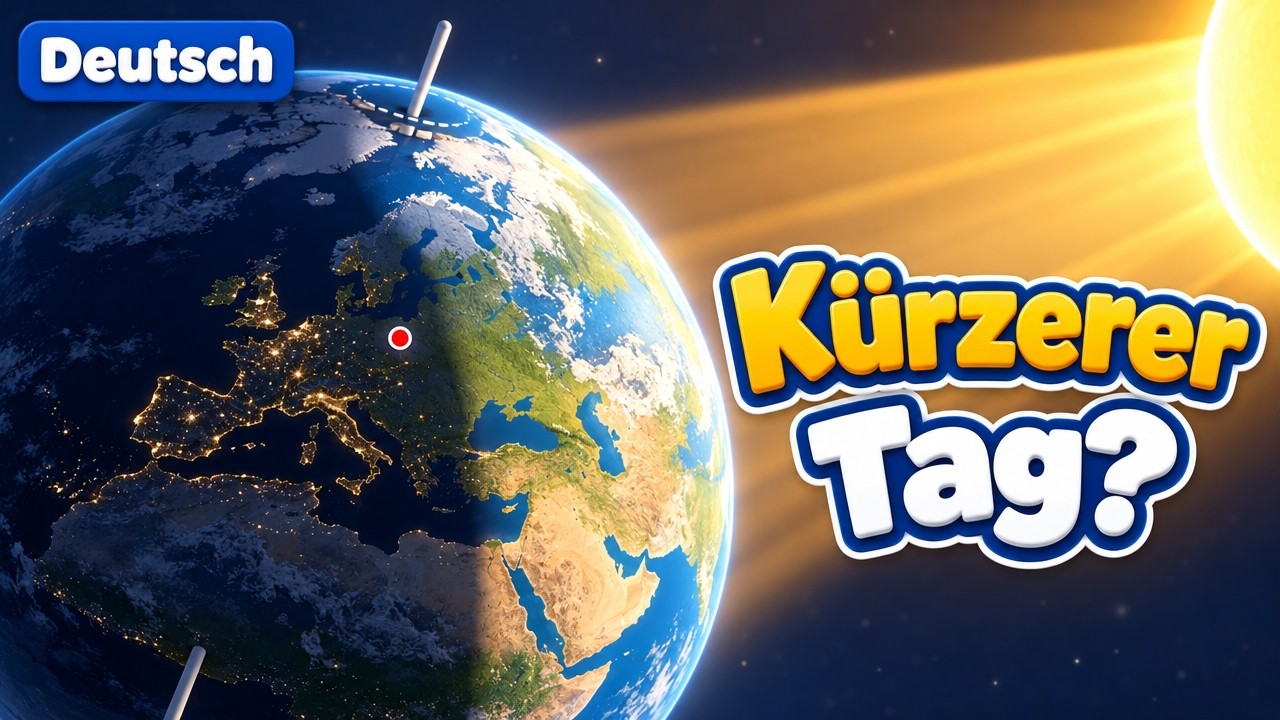
Warum geht die Sonne im Winter in Polen später auf und früher unter? Dieses neugierige, rhythmische Kinderlied zeigt, wie die Neigung der Erdachse Polen weniger Zeit im Sonnenlicht lässt. Ein einfaches Modell mit Lampe und Globus hilft, Tag, Nacht und den von der Erde aus gesehenen Sonnenweg zu verstehen.
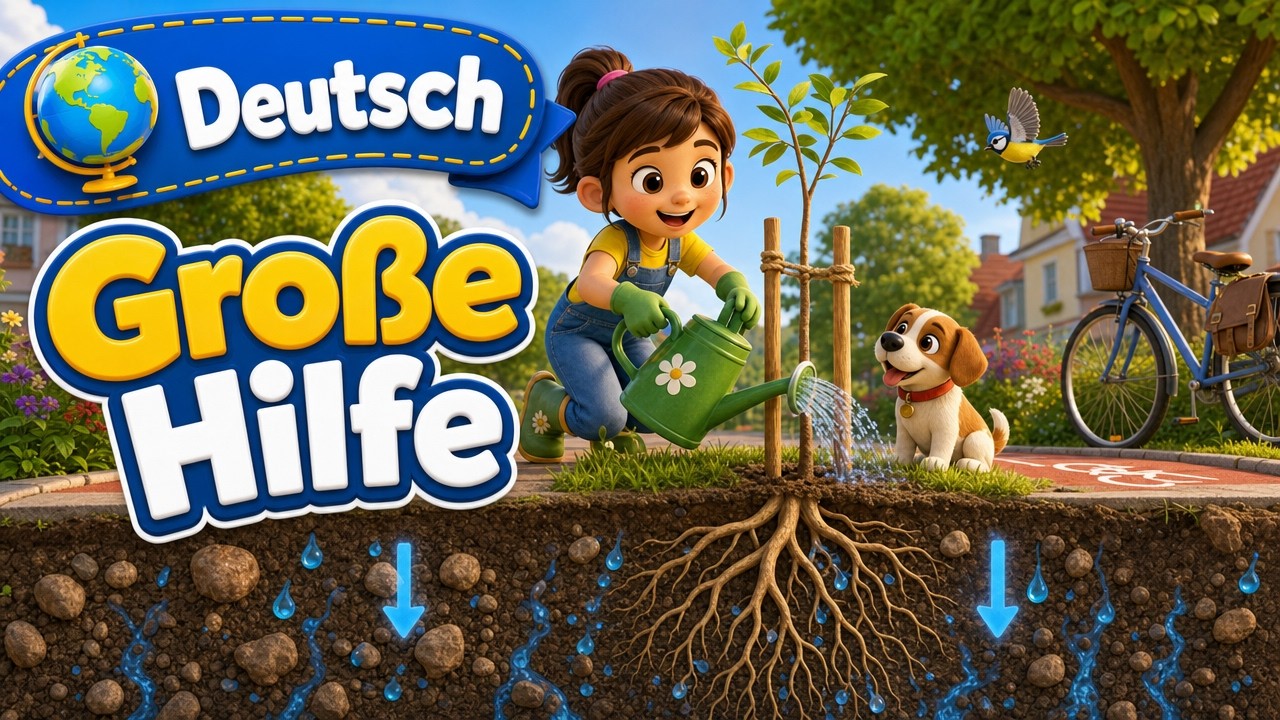
Ola und ihr Hund entdecken, warum es unter einer Baumkrone kühler ist und wie Bäume Menschen und Tieren helfen. Das fröhliche Kinderlied erklärt außerdem Blätter, Sauerstoff, Wurzeln und Regen und zeigt, dass ein Setzling einen passenden Platz, Wasser, Schutz und viel Zeit braucht.

 2:51
2:51