← Back to library
Bahasa Indonesia · Songs

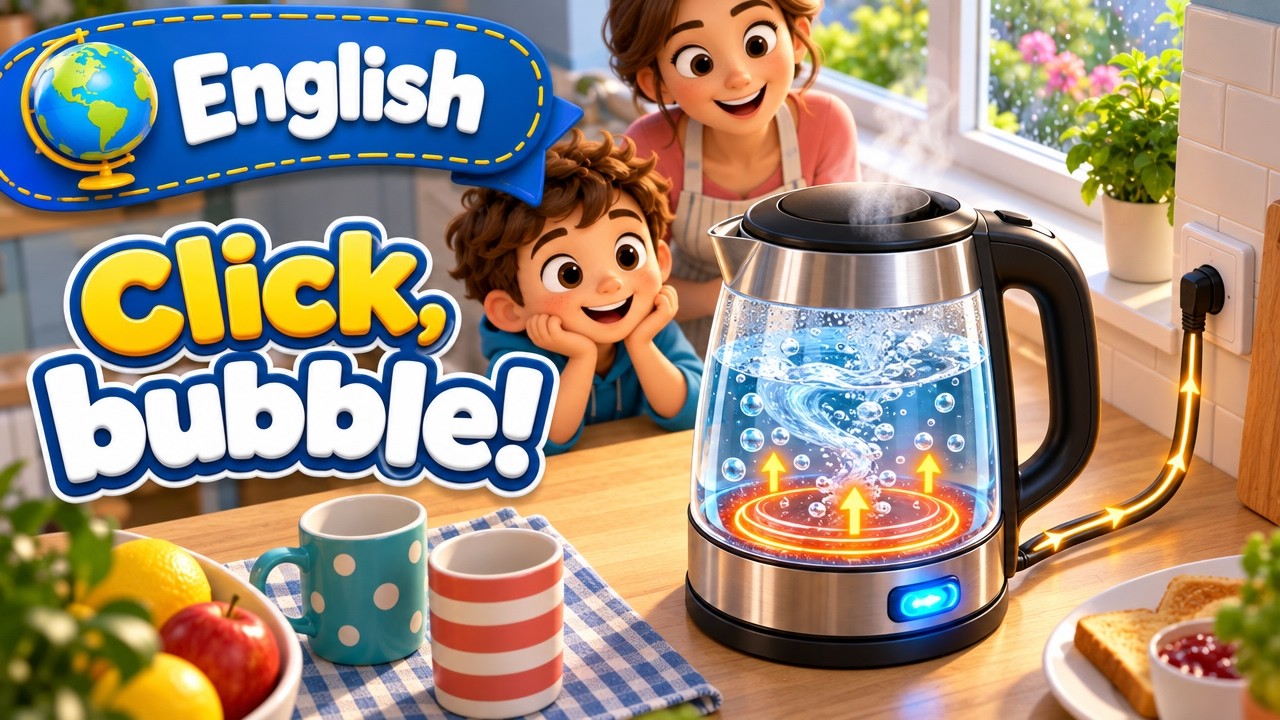
How Does an Electric Kettle Work? | Click, Bubble-Bubble! Kids’ Song

◷ 2:16

What happens after the kettle switch clicks? This catchy educational song shows how a closed circuit powers an insulated heater, heat circulates through the water, and a thermostat cuts the current when boiling begins. It also explains why the white mist is made of tiny droplets—and why a hot kettle is for an adult to handle.

Concepts explained

Concept glossary ↗

Original explanations based on the cited sources.

Electricity

Electric current is a directed flow of electric charge. Electrons carry it in metal wires, while ions can carry it in solutions.

Sources

Electric circuits

A circuit connects electrical parts, such as a battery, wires and a lamp. In a simple battery circuit, current flows when the path is closed.

Sources

Text from the recording’s subtitles.

Song lyrics
Apa yang membangunkan ketel? Satu klik! Orang dewasa isi air dingin sampai tanda. Ketel ditaruh di alas, tombol ditekan. Lampu menyala, rangkaian pun tertutup. Arus lewat pemanas yang berisolasi. Hambatannya mengubah energi jadi panas. Meski tersembunyi, suhunya naik. Klik — energi listrik berubah jadi panas. Panas masuk, air pun berputar. Blub-blub — semua air mendidih. Lalu klik — arus terputus sendiri. Desis lembut terdengar dari bawah. Gelembung kecil tumbuh di dasar. Air hangat naik, yang dingin turun. Pusaran menyebar panas merata. Di dekat cerat tampak kabut tetesan. Gelembung membesar, semua air mendidih. Panas atau uap memicu termostat. Klik — rangkaian terbuka, lampu padam. Klik — energi listrik berubah jadi panas. Panas masuk, air pun berputar. Blub-blub — semua air mendidih. Lalu klik — arus terputus sendiri. Orang dewasa menuang air ke cangkir. Meski sudah mati, ketel masih panas.

Language version lyrics
What wakes the kettle? Just one click! An adult fills cool water to the line. Sets it on the base and flips the switch. The light shines; now the circuit is closed. Current flows through the insulated heater. Its resistance turns electrical energy to heat. Though out of sight, it starts to grow hot. Click — electric energy changes to heat. Heat flows in; the water circles round. Bubble-bubble — now the water boils. Click — the current switches itself off. A quiet shushing rises from below. Tiny bubbles grow along the bottom. Warmer water rises; cooler water sinks. That swirling motion spreads the heat. At the spout: a mist of tiny droplets. Bubbles grow; the water starts to boil. Heat or steam triggers the thermostat. Click — the circuit opens; light goes dark. Click — electric energy changes to heat. Heat flows in; the water circles round. Bubble-bubble — now the water boils. Click — the current switches itself off. An adult safely fills the waiting cup. Though switched off, the kettle remains hot.
Open on YouTube ↗
2:17
Audio language: EnglishSongs

How Does an Electric Kettle Work? | Click, Bubble-Bubble! Kids’ Song

What happens after the kettle switch clicks? This catchy educational song shows how a closed circuit powers an insulated heater, heat circulates through the water, and a thermostat cuts the current when boiling begins. It also explains why the white mist is made of tiny droplets—and why a hot kettle is for an adult to handle.

Technology↗
3:13
Audio language: EnglishSongs

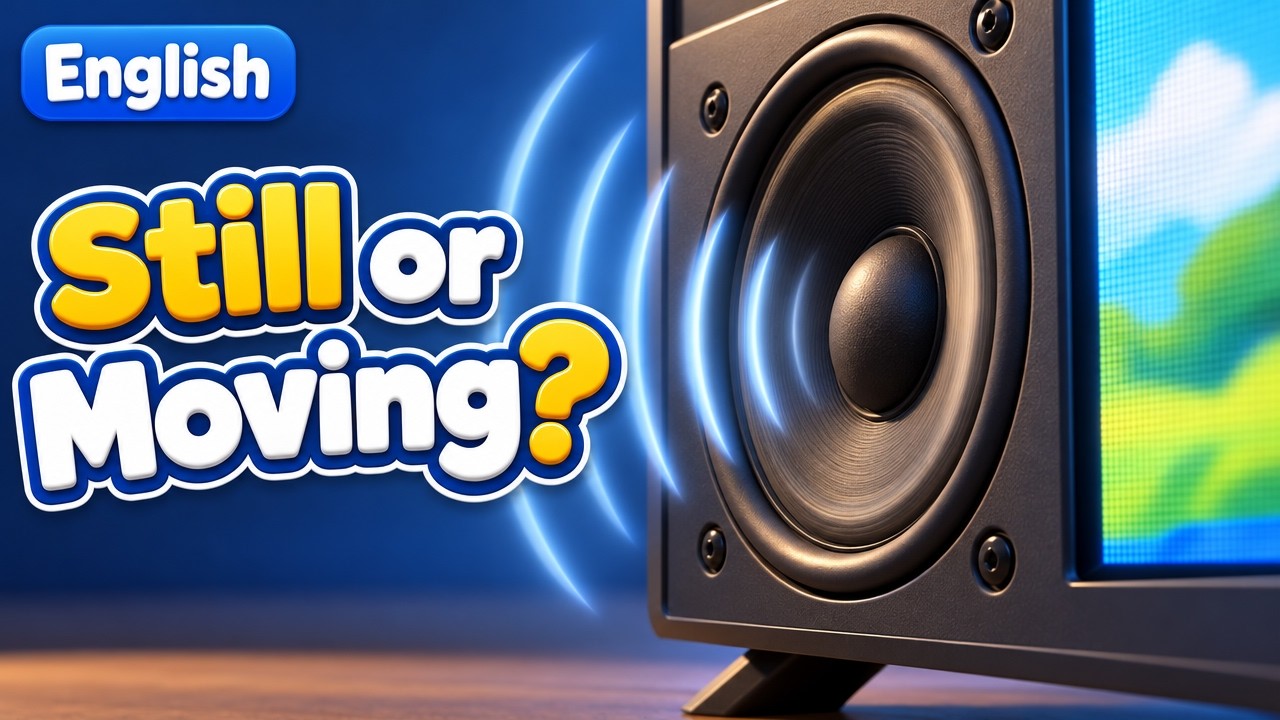
How Does a TV Make a Fish Move? A Kids’ Song

Maja turns on the TV and wonders how a fish can swim across the screen—and where its splash comes from. This song explores how a signal guides pixels and speakers, how changing still pictures appear to move, and how a vibrating speaker moves the air to make sound.

Technology↗
3:02
Audio language: EnglishSongs

How Does a Smoke Detector Work? | Smoke, Light, Alarm! Kids’ Song

How does a smoke detector notice smoke? This upbeat science song explores a common optical detector: smoke enters its chamber, particles scatter LED light toward a receiver, and the electronics sound a warning. An alarm warns people but does not put out a fire. An adult should test it with the button as directed.

Technology↗