Text from the recording’s subtitles.
Song lyrics
Um só milagre salvou Varsóvia?
Coragem, bom plano e esforço de todos!
Cud nad Wisłą, Milagre do Vístula
Nome da vitória surpresa, não magia
Quinze de agosto, sinal de memória
A Batalha de Varsóvia mudou o rumo
A jovem Polônia defendeu a liberdade
Obrigado pelo serviço; cuidemos da paz
Em mil novecentos e dezoito, voltou livre
Após cento e vinte e três anos de partilhas
O jovem Estado criava leis e fronteiras
Em mil novecentos e vinte, o Exército Vermelho veio do leste
Líderes bolcheviques queriam levar a revolução ao oeste
Soldados, voluntários e equipes médicas se uniram
Comandos, trens, rádio e códigos apoiaram o plano
No dia treze: Radzymin, Ossów e Wkra
No quinze, a defesa retomou Radzymin
No dezesseis, do Wieprz, atingiram flanco e retaguarda
Houve retirada, mas a guerra continuou
Foi só magia que inverteu a marcha?
Não: pessoas, coragem e um bom plano
Para muitos, a fé também trouxe esperança
A retirada súbita firmou aquele nome
Hoje, flores e bandeiras honram o serviço
Quinze de agosto, sinal de memória
A Batalha de Varsóvia mudou o rumo
A jovem Polônia defendeu a liberdade
Obrigado pelo serviço; cuidemos da paz
A paz de Riga veio em março de vinte e um
Lembramos: quinze de agosto!
Language version lyrics
Did one miracle save Warsaw?
Courage, a wise plan, and work as one!
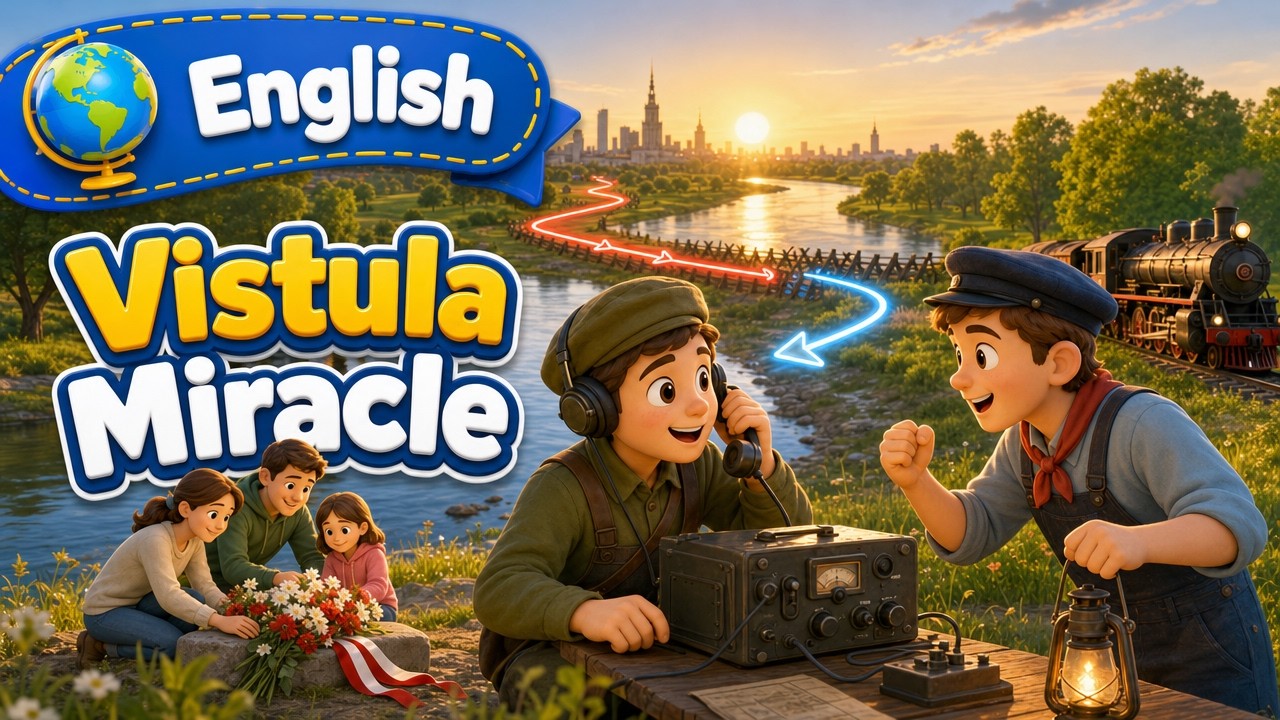
Cud nad Wisłą—the Vistula Miracle
Named Warsaw's sudden victory, not magic
August fifteenth, memory's sign
Warsaw's battle turned the marching tide
Young Poland kept its freedom alive
We thank today's soldiers and guard peace
In nineteen-eighteen, Poland rose free
After one hundred twenty-three years of partitions
The young state built its laws and borders
In nineteen-twenty, the Red Army came from east
Bolshevik leaders hoped revolt would move west
Soldiers, volunteers, and medics joined
Staffs, rail, signals, and codebreakers shaped the plan
The thirteenth saw Ossów, Wkra, Radzymin
On the fifteenth, defense regained Radzymin
Next day, from Wieprz, troops struck flank and rear
The retreat began, but the war went on
Did magic alone reverse the march?
No—people, courage, and a sound plan!
For many, faith brought hope as well
That sudden retreat made the name endure
Now flags, flowers, and meetings honor service
August fifteenth, memory's sign
Warsaw's battle turned the marching tide
Young Poland kept its freedom alive
We thank today's soldiers and guard peace
Peace came at Riga in March, twenty-one
We remember—August fifteenth!

 2:28
2:28
